
It is aggravating as you stand at your kitchen sink and watch dirty water recede in reverse into the basin. Your sink cleaner has broken down, and you have a mess on your hands. In case of professional assistance, the issue can be diagnosed and repaired in a short period by a reliable plumber in Tustin. However, prior to seeking assistance, it is possible to save time and money by determining why disposals get reversed.
Most backup issues stem from simple mistakes that happen during everyday use. Food waste gets stuck. Blades jam. Pipes clog. The good news? Many of these problems have straightforward fixes you can handle yourself. I've seen the same issues repeatedly over twenty years, and I'm breaking down the top five reasons your disposal backs up—plus practical solutions that actually work.
1. You're Putting the Wrong Stuff Down There
This is the number one problem I see in homes across the country.
People treat garbage disposals like trash cans. They're not.
Disposals can't handle everything. Certain foods cause serious clogs and damage the system.
What Never Goes in Your Disposal
Fibrous vegetables like celery, asparagus, and corn husks wrap around the blades. They create tough blockages that stop everything.
Grease and oil seem harmless when hot. But they solidify in your pipes as they cool. This creates stubborn clogs over time.
Starchy foods, including pasta, rice, and potato peels, expand with water. They turn into paste-like masses that block your drain completely.
Coffee grounds might seem small and harmless. They actually clump together and stick to pipe walls, building up gradually.
Eggshells don't sharpen blades as some people claim. The membrane inside sticks to the grinder, causing problems.
The Fix
Stop putting problem foods down your disposal immediately.
Scrape plates into the trash before rinsing. Keep a small compost bin near your sink for food scraps.
Run cold water for 15-20 seconds after using the disposal. This flushes everything through completely.
2. Not Enough Water is Running Through
Most people turn on the disposal first, then the water. Wrong order.
Your disposal needs plenty of water to work properly. Water helps flush waste through the pipes.
Without enough water, food particles stick inside. They build up and create blockages.
The Right Way to Use Your Disposal
Turn on cold water first—never hot. Cold water solidifies any grease, making it easier to chop up and flush.
Let the water run at full force. A trickle isn't enough.
Turn on the disposal while water flows. Feed food waste gradually, not all at once.
Keep the water running for 10-15 seconds after turning off the disposal. This ensures everything clears the pipes.
Why This Matters
Insufficient water is involved in roughly 30% of disposal backup cases based on service call data.
The fix is free and takes zero effort. Just use more water every time.
3. Your Disposal's Getting Old and Worn Out
Garbage disposals don't last forever. Average lifespan runs 8-12 years with normal use.
Older units lose grinding power. Blades dull over time. Motors weaken.
When parts wear out, food doesn't break down properly. Larger chunks get stuck in pipes below.
Signs Your Disposal is Dying
Loud grinding noises that sound different than normal operation indicate worn bearings or loose parts.
Frequent resets are needed, meaning the motor is overheating because it's working too hard.
Slow draining even after running the disposal suggests weak grinding power.
Leaks around the unit signal deteriorating seals and gaskets.
The Fix
If your disposal is over 10 years old and has multiple issues, replace it.
A quality ½ or ¾ horsepower disposal handles most household needs. Don't overpay for features you won't use.
4. Something's Stuck in the Grinding Chamber
Silverware, bottle caps, small toys—I've pulled all kinds of things from disposals.
Hard objects jam the blades instantly. The motor hums, but nothing moves.
This creates an immediate backup since water can't drain while the disposal is jammed.
How to Clear a Jam Safely
Turn off the power at the breaker box first. Never stick your hand in while it's plugged in.
Shine a flashlight down the drain. Look for visible objects you can grab with pliers or tongs.
Most disposals have a hex-shaped hole on the bottom. Insert an Allen wrench and turn it back and forth to free the blades.
Some models include a reset button on the bottom. Press it after clearing the jam.
Prevention Tips
Keep the drain cover in place when not actively using the disposal.
Run the disposal with water only for a few seconds before adding food. This clears any debris sitting there.
5. The Drain Pipe Below is Clogged
Sometimes the disposal works fine. The real problem sits further down in your plumbing.
The P-trap under your sink catches debris over time. The pipe leading to your main drain line can develop clogs, too.
When these pipes block up, water backs up into your sink even though the disposal runs normally.
DIY Fixes to Try First
Plunge it. Fill the sink with 3-4 inches of water. Plunge vigorously 15-20 times. This often clears minor clogs.
Check the P-trap. Put a bucket underneath. Unscrew the curved pipe section. Clean out any gunk inside.
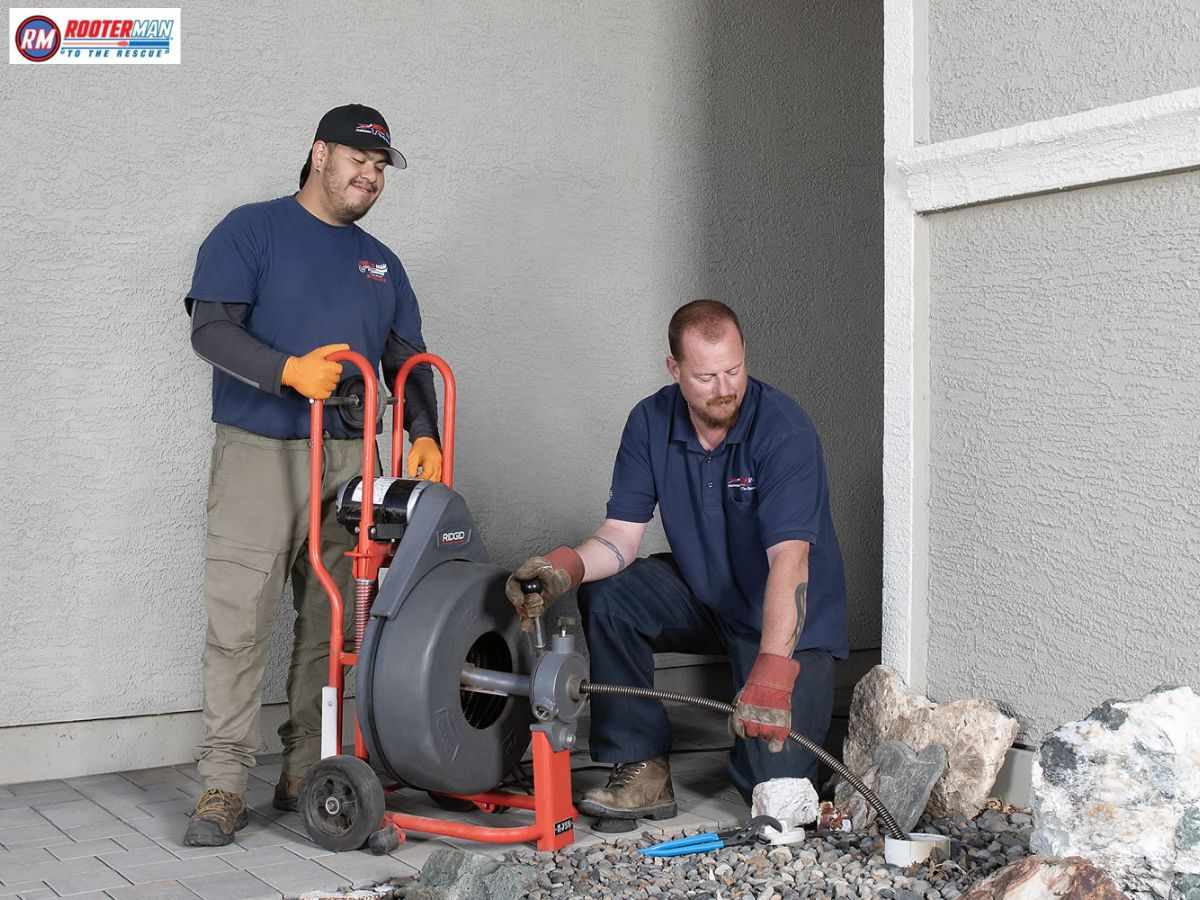
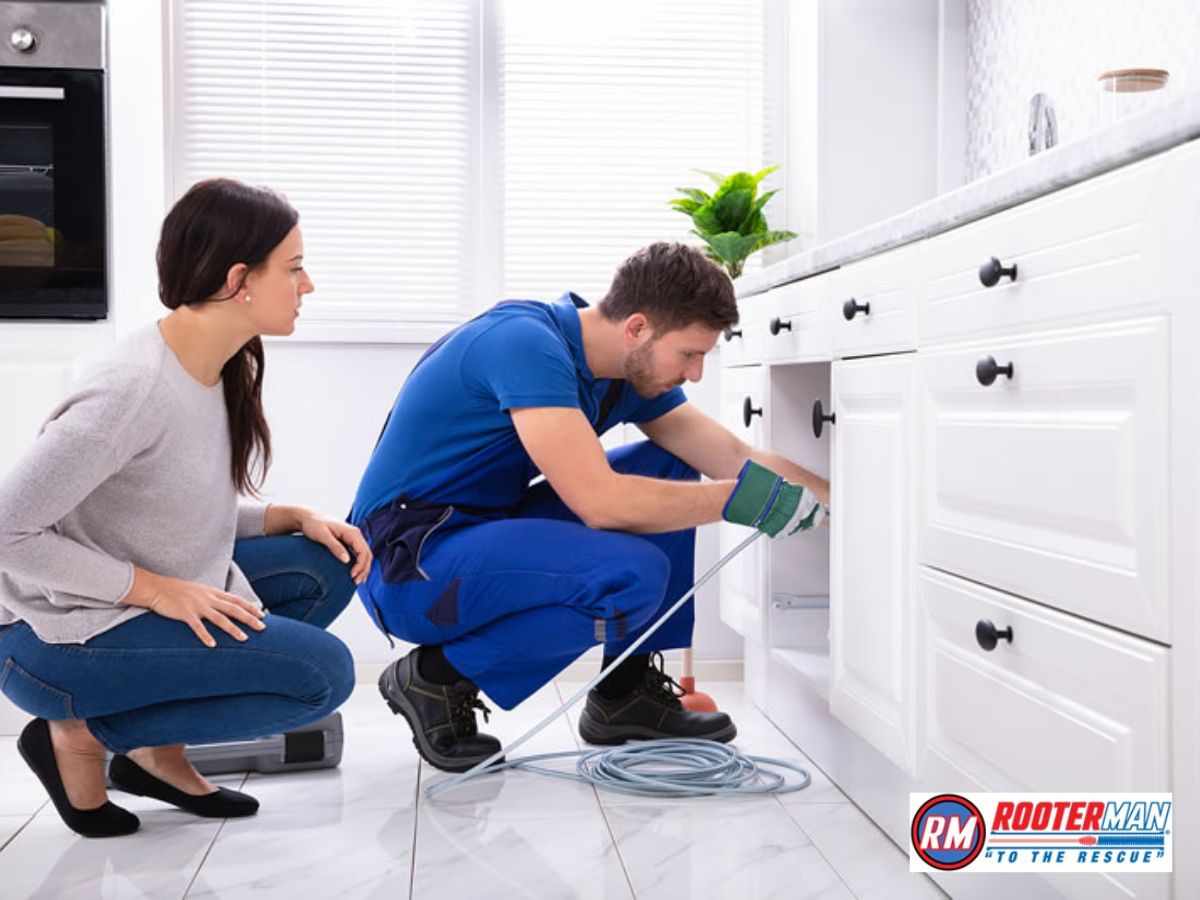
Use a drain snake. Feed it into the pipe past the P-trap. Twist and push to break through blockages.
When to Call a Professional
If you've tried these steps and water still backs up, call a professional.
Deep clogs in your main drain line need specialized equipment. A plumber in Tustin from Rooter Man Plumbing of Orange County has the tools and experience to clear stubborn blockages quickly.
Hydro-jetting can blast through years of buildup. Camera inspections identify exactly where problems exist.
Don't let a small issue become a major repair. Getting professional help early prevents damage to your entire plumbing system.
Bonus Tips That Actually Work
Run your disposal regularly, even when you haven't used it. This prevents rust and keeps parts moving freely.
Ice cubes and salt can clean buildup off the blades. Toss a handful in and run the disposal.
Citrus peels freshen the smell. But cut them into small pieces first, or they'll cause problems.
Baking soda and vinegar work for mild cleaning. Pour half a cup of baking soda, then half a cup of vinegar. Let it fizz for 10 minutes, then flush with hot water.
Common Mistakes People Make
Using drain cleaners in disposals damages the unit. The chemicals corrode metal parts and rubber seals.
Grinding everything super fine seems smart, but actually creates paste that clogs pipes.
Ignoring strange sounds leads to bigger problems. Weird noises mean something's wrong—address it quickly.
Frequently Asked Questions
Q: How long should I run my garbage disposal?
A: Run it for 10-15 seconds after the grinding noise stops. Keep cold water flowing the entire time to flush everything through completely.
Q: Can I use hot water with my garbage disposal?
A: No, always use cold water. Hot water melts grease, which then solidifies further down your pipes and causes clogs.
Q: Why does my garbage disposal smell bad?
A: Food particles stuck on the underside of the splash guard or in the grinding chamber create odors. Clean with ice, salt, and citrus peels regularly.
Q: Is it normal for my disposal to make loud noises?
A: Some noise is normal, but excessive grinding or metal-on-metal sounds indicate a problem. Check for jammed objects or worn-out components.
Q: Can I fix a leaking garbage disposal myself?
A: Minor leaks at connections can be tightened. But leaks from the unit itself usually mean the disposal needs replacement, as internal seals have failed.


Write a comment ...