
You Could Be Digging Into a Disaster Right Now
That old pipe under your yard? It could be cracked, shifted, or totally collapsed, and you wouldn't even know.
Every year, thousands of homeowners across the USA face expensive underground repairs that could have been avoided.
The worst part? Most of those repairs happen because nobody knew where the pipes were or what condition they were in.
If you need a reliable plumber in Fountain Valley or anywhere in Orange County, this is one thing you absolutely need to know before any digging starts.
Sewer line mapping tells you exactly what's underground. And it could save you tens of thousands of dollars.
What Exactly Is Sewer Line Mapping?
Sewer line mapping is the process of creating a detailed picture of your underground pipes.
Plumbers use special cameras and locating tools to find where your pipes run, how deep they go, and whether anything is wrong with them.
Think of it like an X-ray for your yard. You get a full, clear picture, without anyone needing to dig a single hole.
What Does a Sewer Map Actually Show?
A good sewer line map gives you the following:
Exact pipe locations — where they run under your property
Pipe depth — how far underground each line sits
Pipe material — clay, cast iron, PVC, or concrete
Condition reports — cracks, blockages, root damage, and corrosion
Connection points—where your pipes link to the city main line
Why Does Sewer Line Mapping Actually Matter?
Here's a situation most people don't think about until it's too late.
You hire a contractor to install a new fence. Or maybe plant some trees. They dig—and suddenly hit your main sewer line.
The Real Risks of Skipping This Step
Broken pipes—even small nicks from a shovel can cause major leaks
Sewage backups — raw sewage coming into your home is dangerous and expensive
Foundation damage—water leaking underground can weaken your home's base over time
Yard sinkholes—broken pipes cause soil to shift and collapse
Utility conflicts—gas lines and electrical conduits are often buried right next to sewer pipes
How Does Sewer Line Mapping Work?
The process is simpler than most people expect. Here's exactly what happens:
Step 1: Initial Inspection A plumber checks your property, looks at cleanout access points, talks through any known issues, and reviews old blueprints if available.
Step 2: Camera Inspection A waterproof camera on a flexible rod gets fed through the pipe. It sends live video back to a screen. The plumber watches for damage, blockages, and pipe conditions in real time.
Step 3: Radio Locating. The camera head sends out a radio signal. A locating device on the surface picks it up. This tells the plumber exactly where the pipe runs and marks it on the ground.
Step 4: Depth Measurement The locator also shows how deep the pipe sits. This is critical info for any digging project.
Step 5: Mapping and Documentation. All of this data gets compiled into a proper map—a diagram of your property showing pipe routes, depths, and condition. You keep this for future reference.
Want a deeper look at how this process protects your property? Read more about safe digging and sewer mapping before any project starts.
When Should You Get a Sewer Line Map Done?
Not every situation calls for a sewer map, but these definitely do.
Before Any Major Digging Project
Installing a pool, fence, shed, or sprinkler system? Get the pipes mapped first. Always.
When Buying an Older Home
Homes built before 1980 often have clay or cast-iron pipes. These materials break down over time. Over 500,000 miles of clay sewer pipe are still in use across the US today.
Knowing the condition before you buy saves you from inheriting a plumbing nightmare.
If You Have Recurring Clogs or Slow Drains
Repeated backups usually signal something bigger is going on underground. Mapping can find root intrusion, pipe collapse, or serious buildup.
After a Big Storm or Earthquake
Ground movement can shift pipes. After any major weather event, a quick inspection makes sense.
During a Renovation
Adding a bathroom? Expanding the kitchen? Knowing where every pipe runs helps your contractor plan correctly.
Pro Tips to Get the Most Out of Sewer Line Mapping
These are things most people don't think about but experienced plumbers always recommend:
Keep your map on file — save a digital copy AND a paper copy. You'll thank yourself years later when a contractor asks.
Update after any underground work — if new pipes are added or rerouted, update the map right away.
Do it before selling your home — a documented sewer map is a strong selling point and shows buyers you've been a responsible homeowner.
Ask for a written condition report — not just a map, but a summary of any issues the camera finds.
Call 811 before digging — even with your own map, always call 811 so public utilities get marked too. It's free and required by law in most states.
Need Help With Sewer Mapping in Orange County?
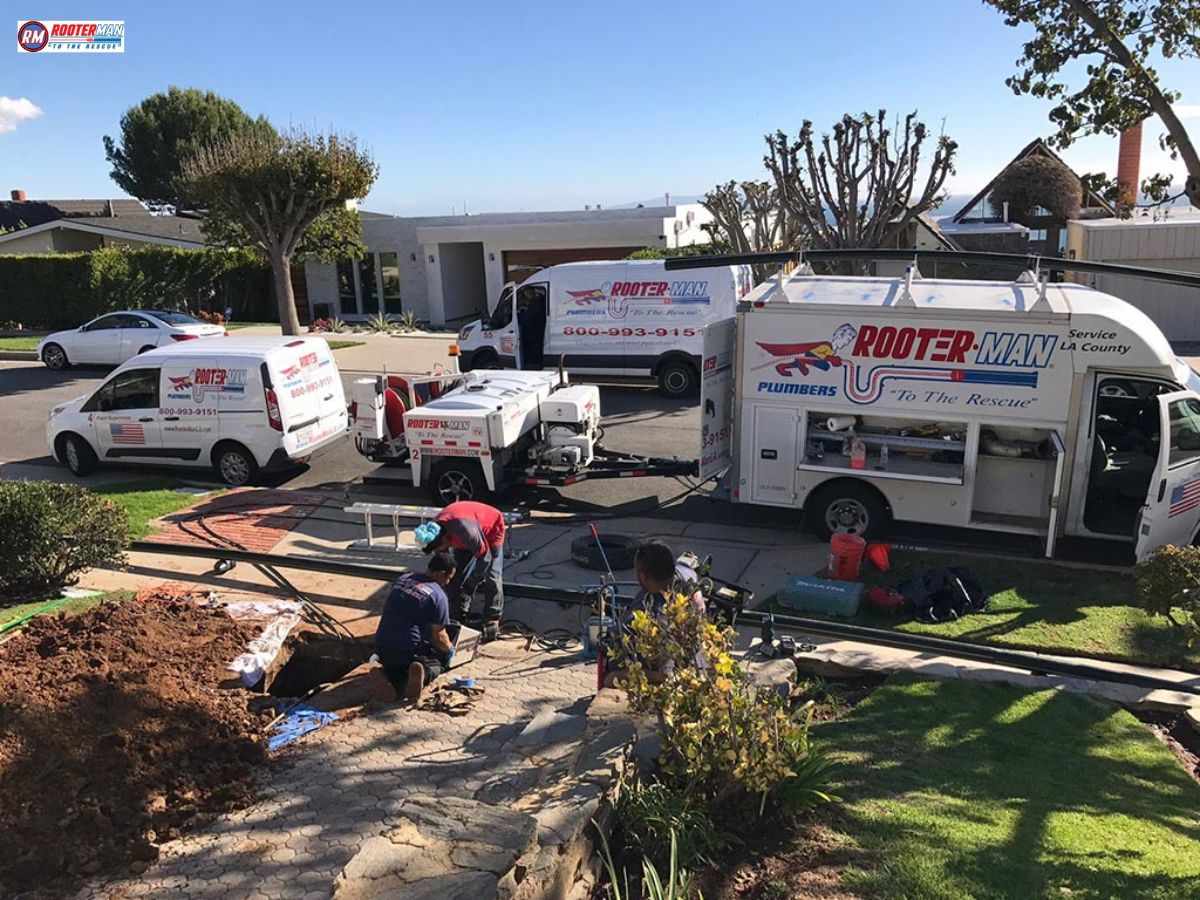
If you're looking for a trusted plumber in Fountain Valley who can handle sewer line mapping the right way, Rooter Man Plumbing of Orange County has you covered.
Their team uses professional-grade camera inspection and locating equipment to give homeowners a complete picture of what's going on underground.
Whether you're planning a renovation, buying a home, dealing with repeated backups, or just want peace of mind, they can map your system, explain what they find, and give you a clear plan if repairs are needed.
Frequently Asked Questions
How long does sewer line mapping take?
Most residential properties take 2 to 4 hours. Larger or more complex properties may take longer. Your plumber will give you a time estimate before starting.
Does sewer line mapping require digging?
No. That's one of the biggest benefits. Camera inspection and radio locating are done without any digging. You get all the information without any yard damage.
Can sewer mapping find tree root damage?
Yes. Camera inspection clearly shows root intrusion inside the pipe. The locator then pinpoints exactly where that section of pipe sits on your property.
How often should I get my sewer lines inspected?
Most plumbing professionals recommend an inspection every 1 to 2 years for older homes and every 3 to 5 years for newer construction. If you have large trees near your sewer line, annual checks are a smart idea.
What happens if mapping finds a problem?
Your plumber will show you the camera footage and explain exactly what was found. From there, you get repair options, cost estimates, and a timeline. You stay in full control of what happens next.
Can I get a sewer map for a commercial property?
Yes. Commercial sewer mapping follows the same process but covers more ground and more complex pipe networks. Rooter Man Plumbing of Orange County handles both residential and commercial plumbing.




Write a comment ...